Kodak's professional high-speed color negative, made for low light and long lenses.
It uses micro-structure optimized T-GRAIN emulsions, and Kodak rates its underexposure latitude as the best in its class.
Grain is finer than the speed would predict, and skin tones stay neutral where consumer 800-speed films go warm. That is what the price buys.
Kodak warns that a film this fast is sensitive to environmental radiation and asks for visual inspection rather than x-ray at airports.
Tips and observations from people who have used this film stock.

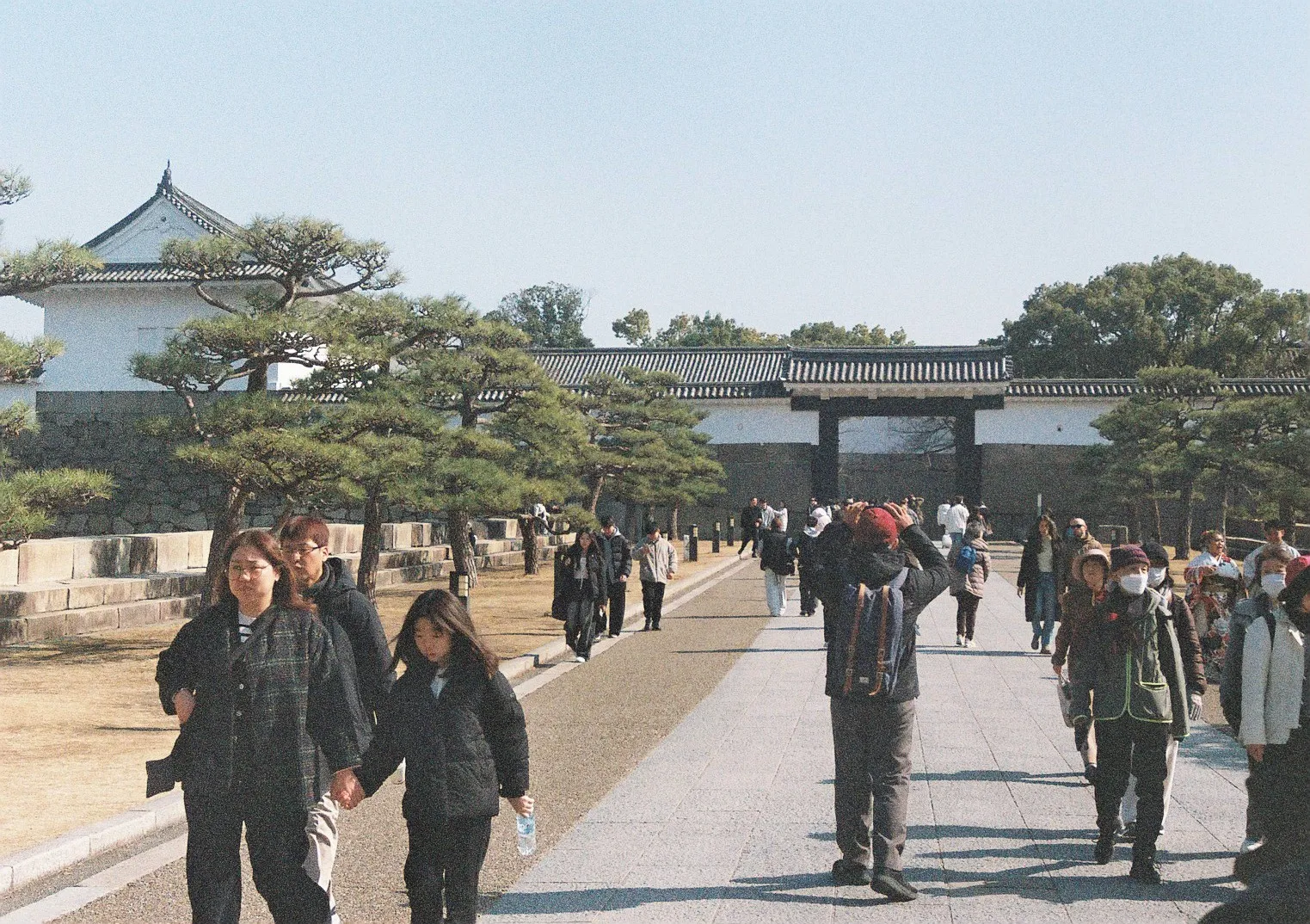
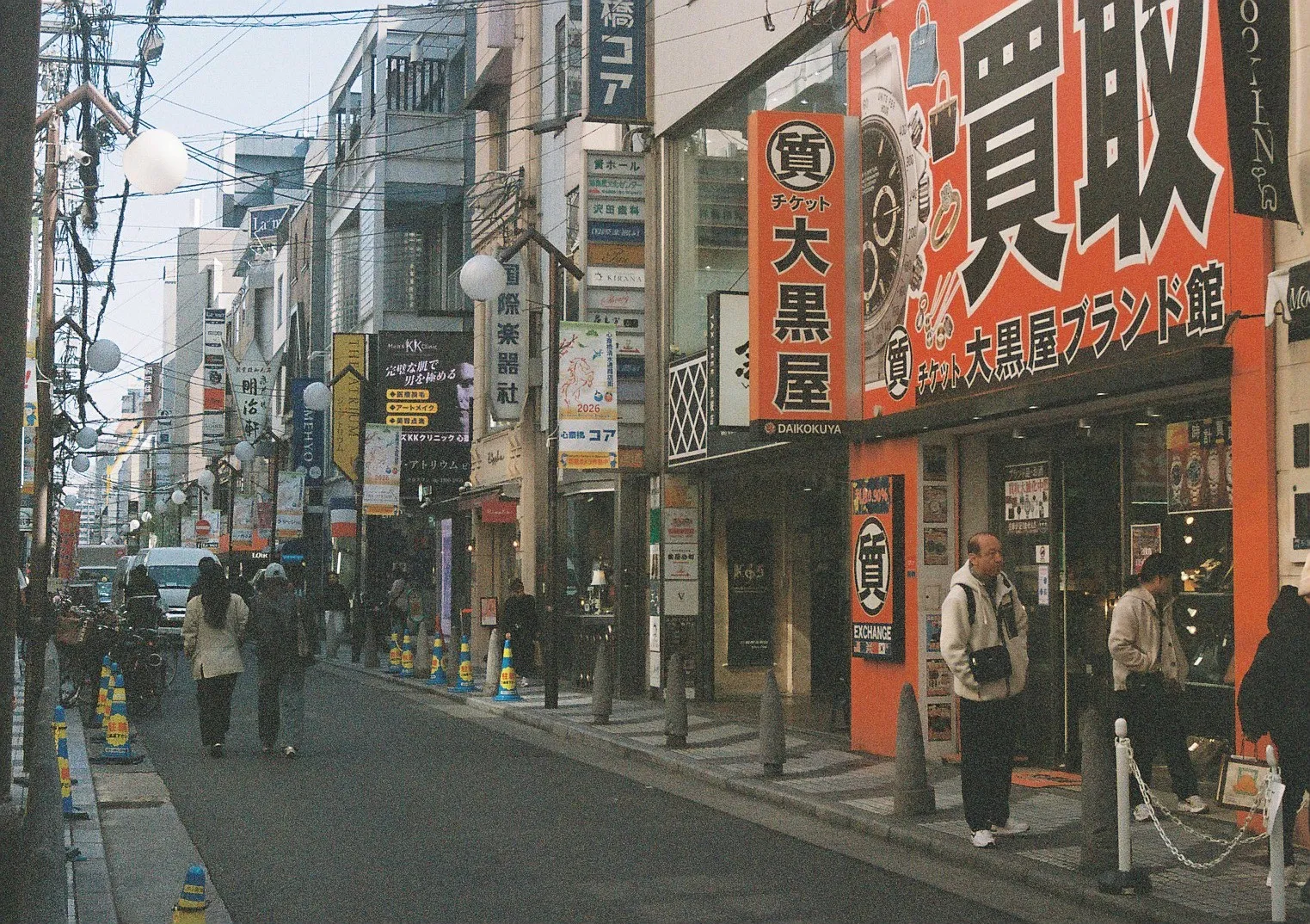
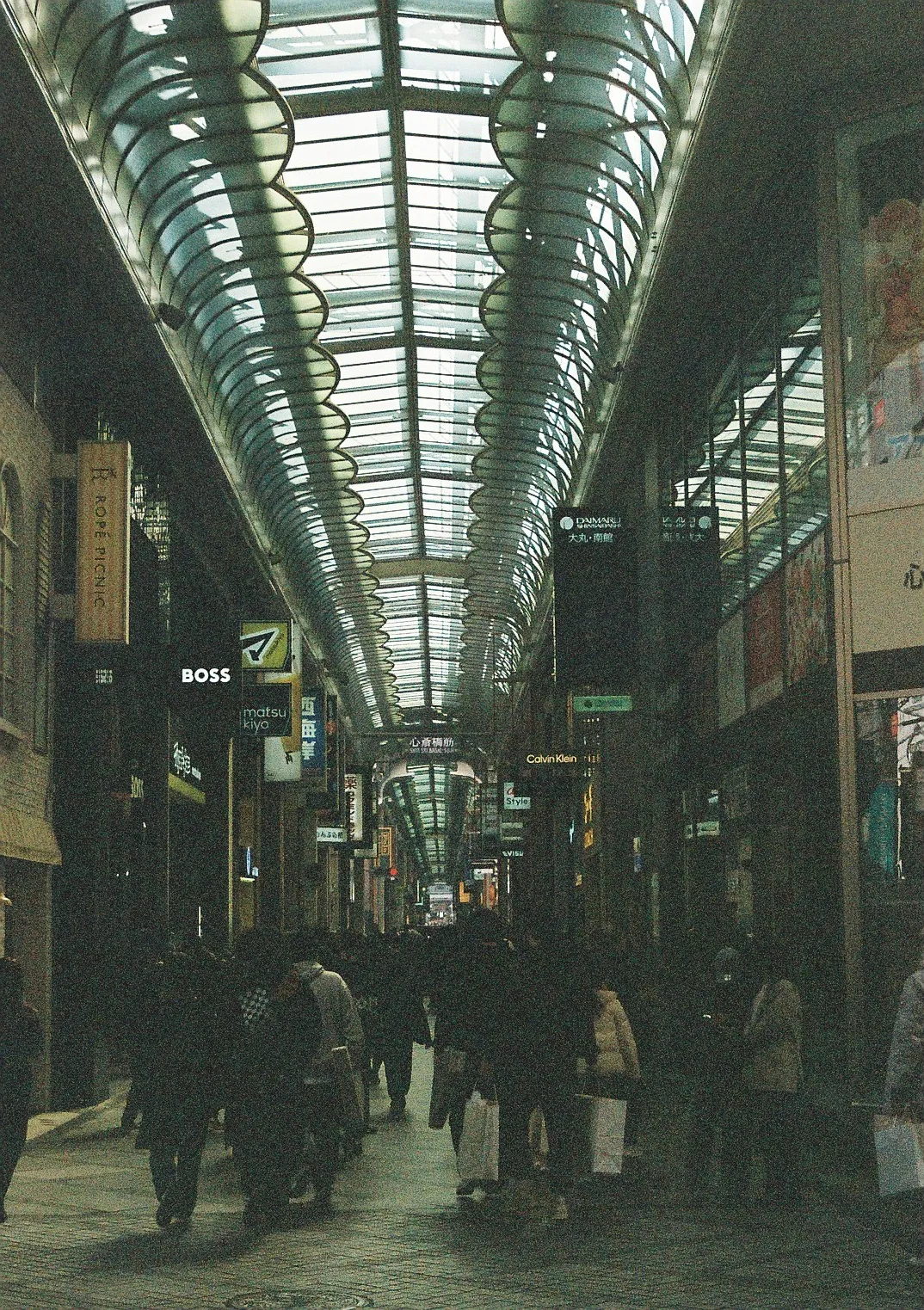
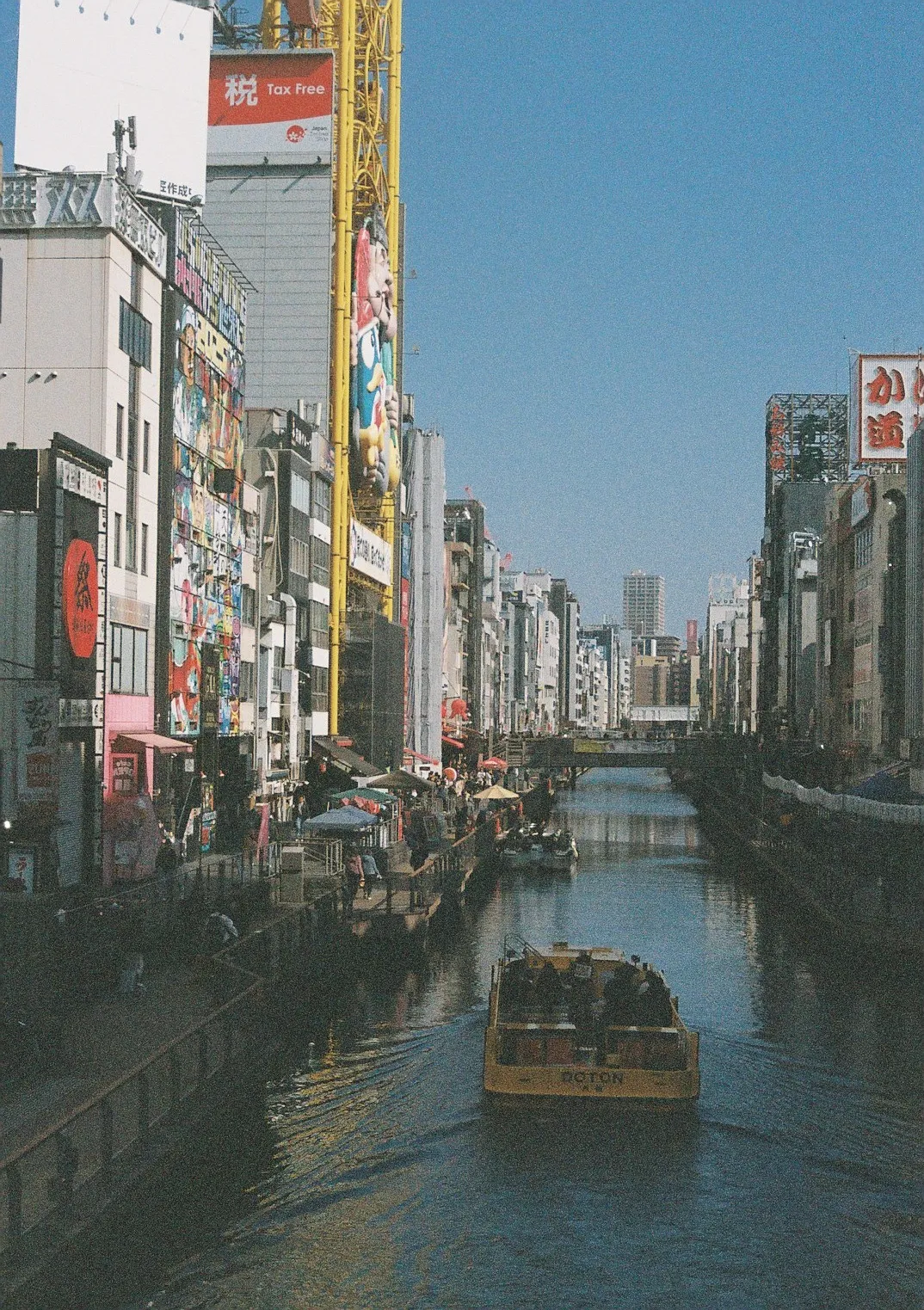
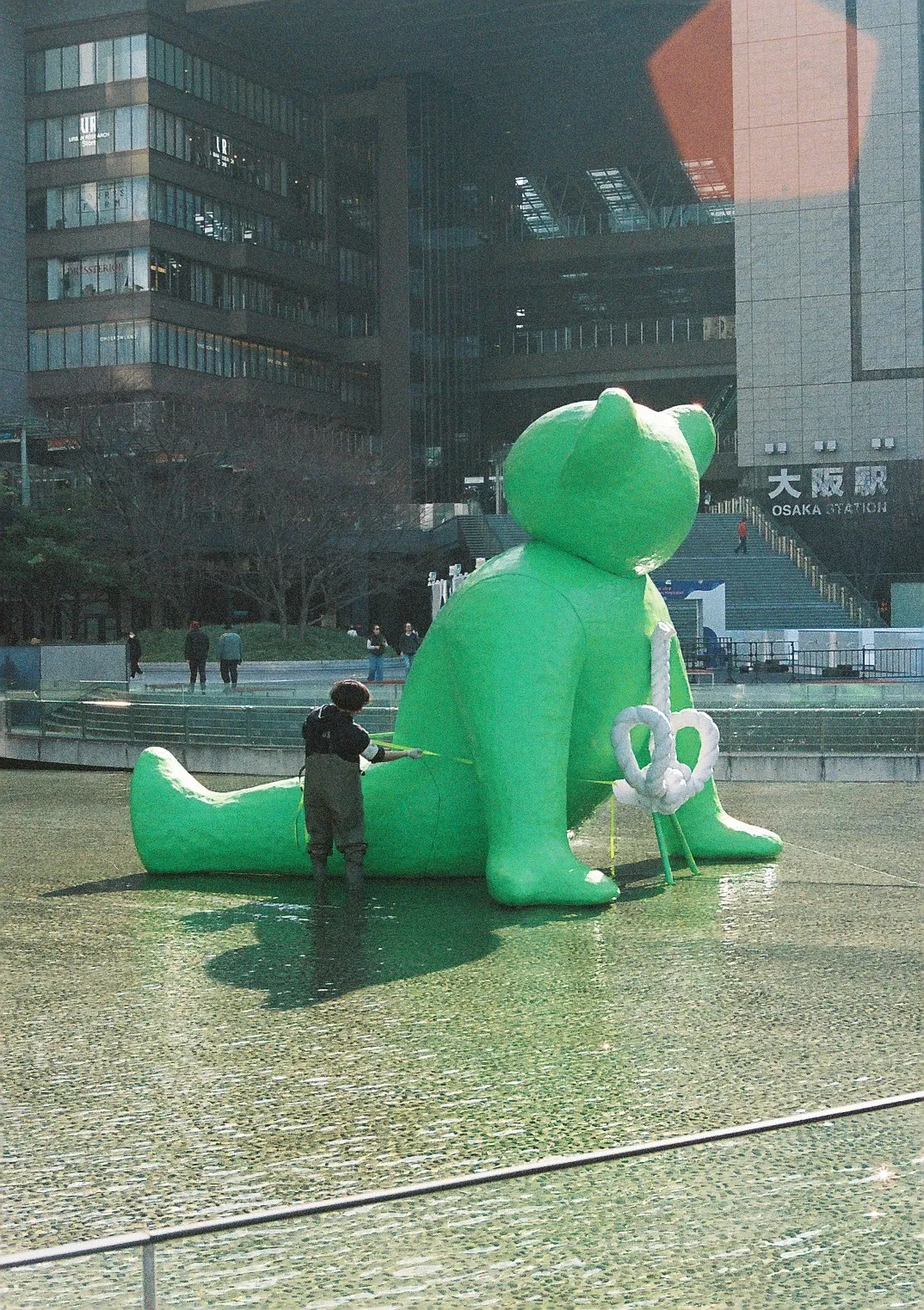
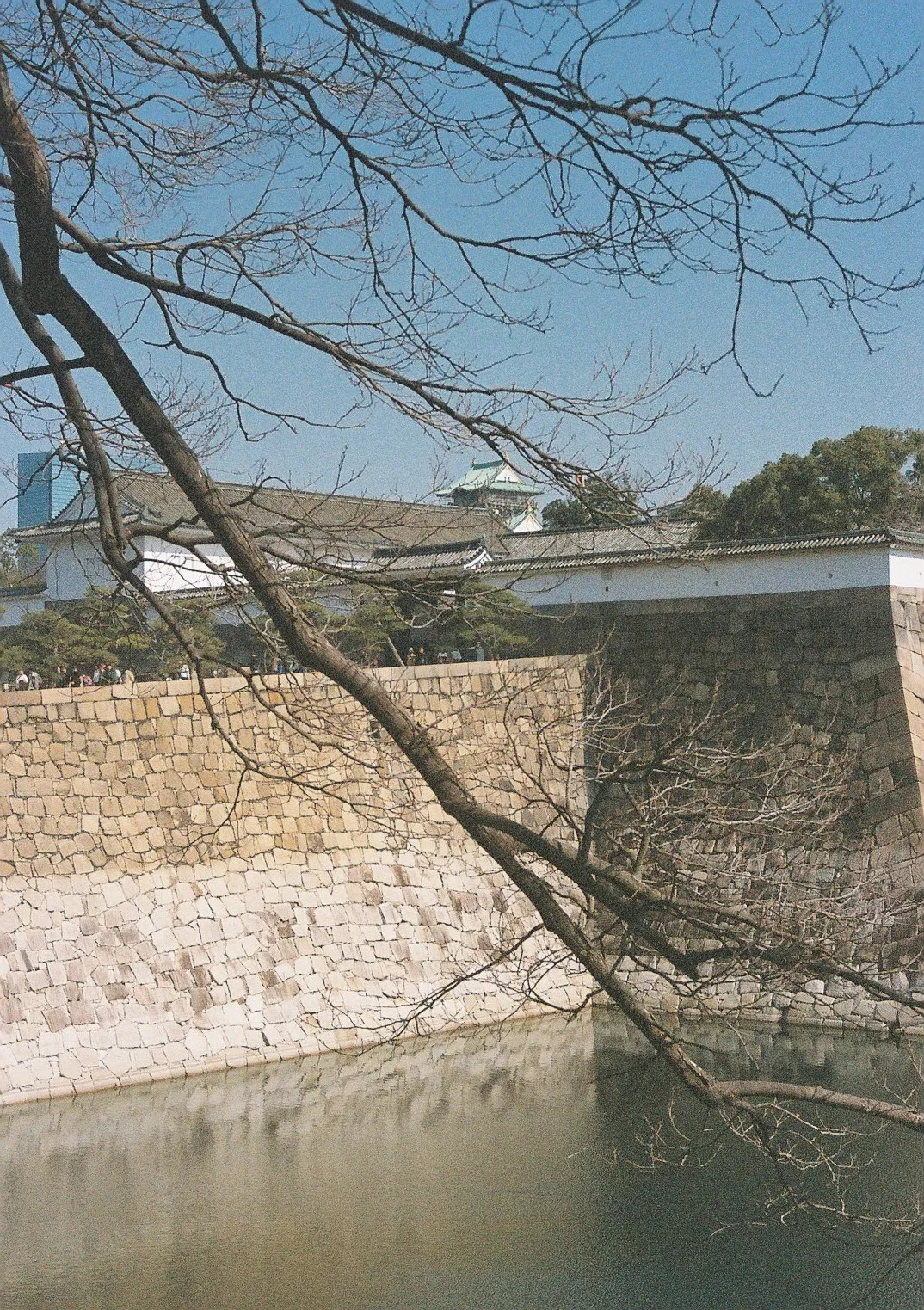
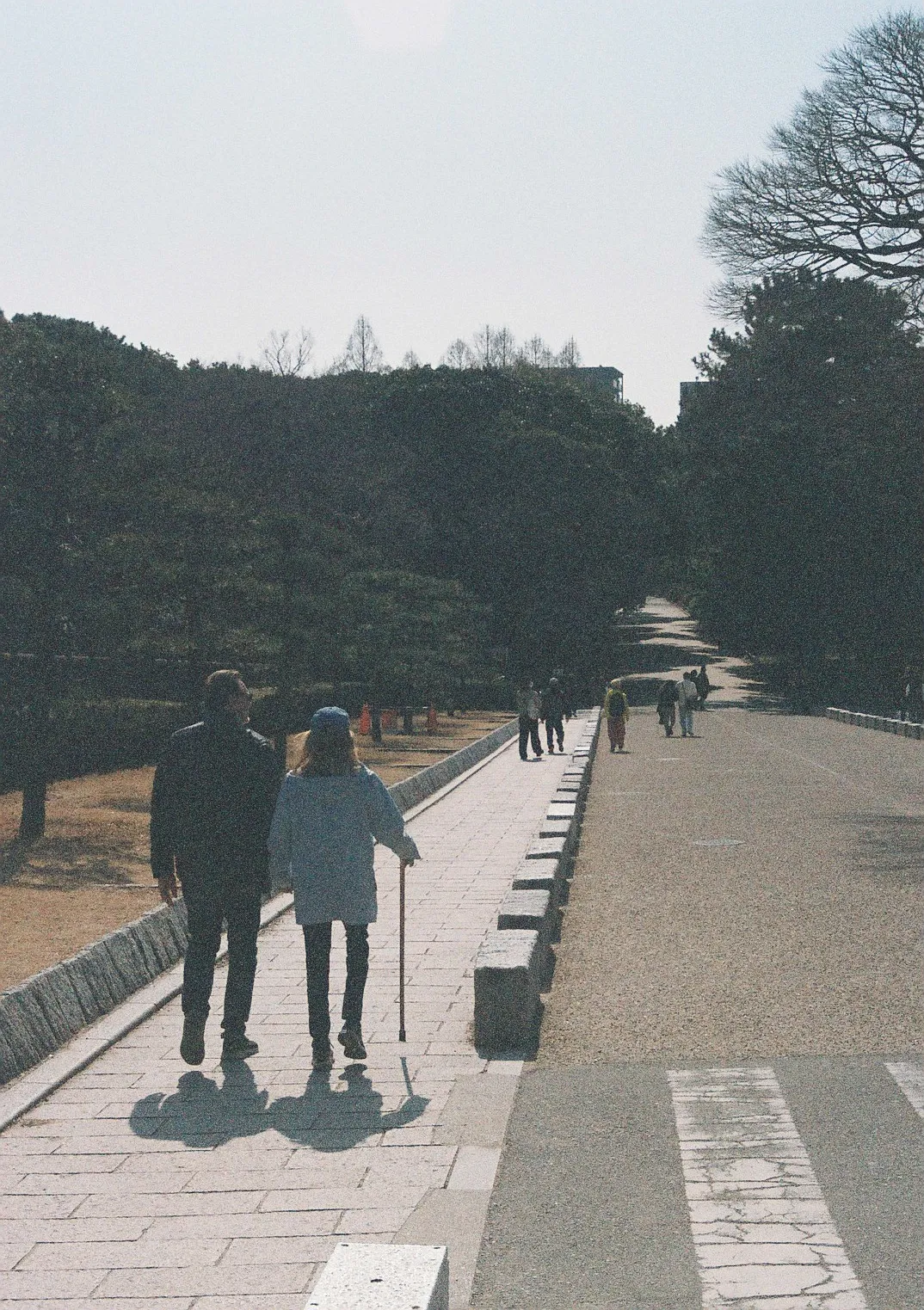
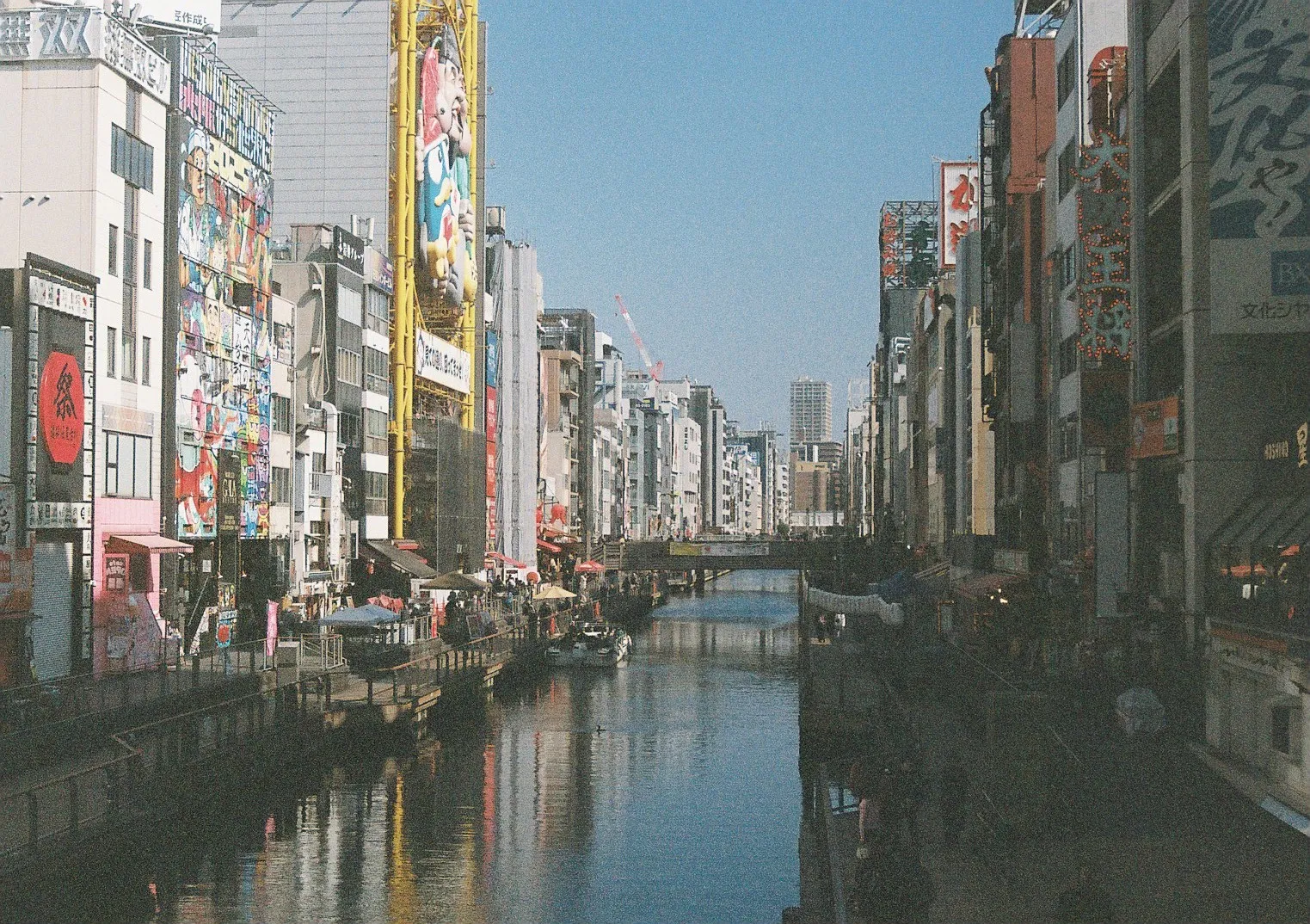
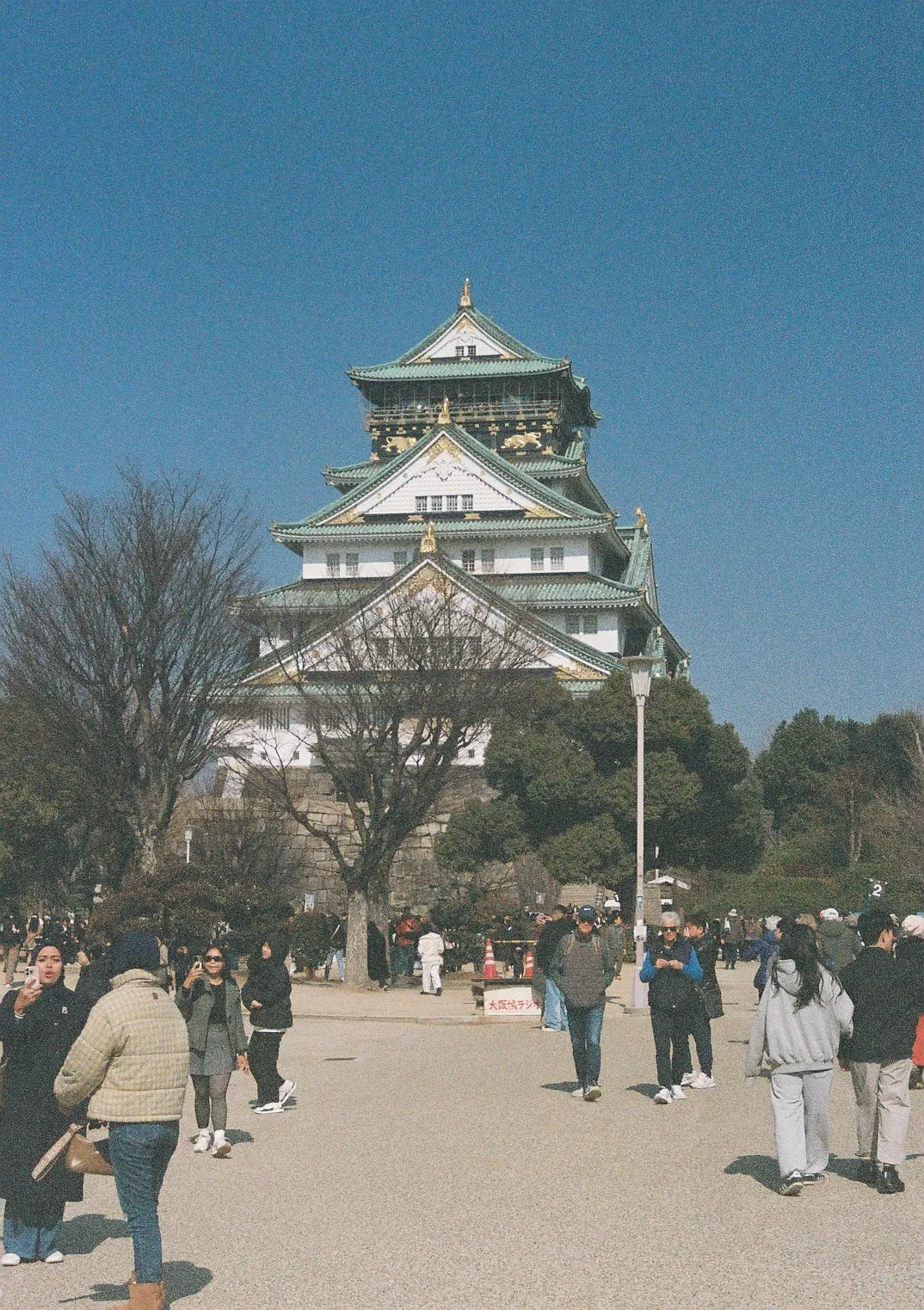
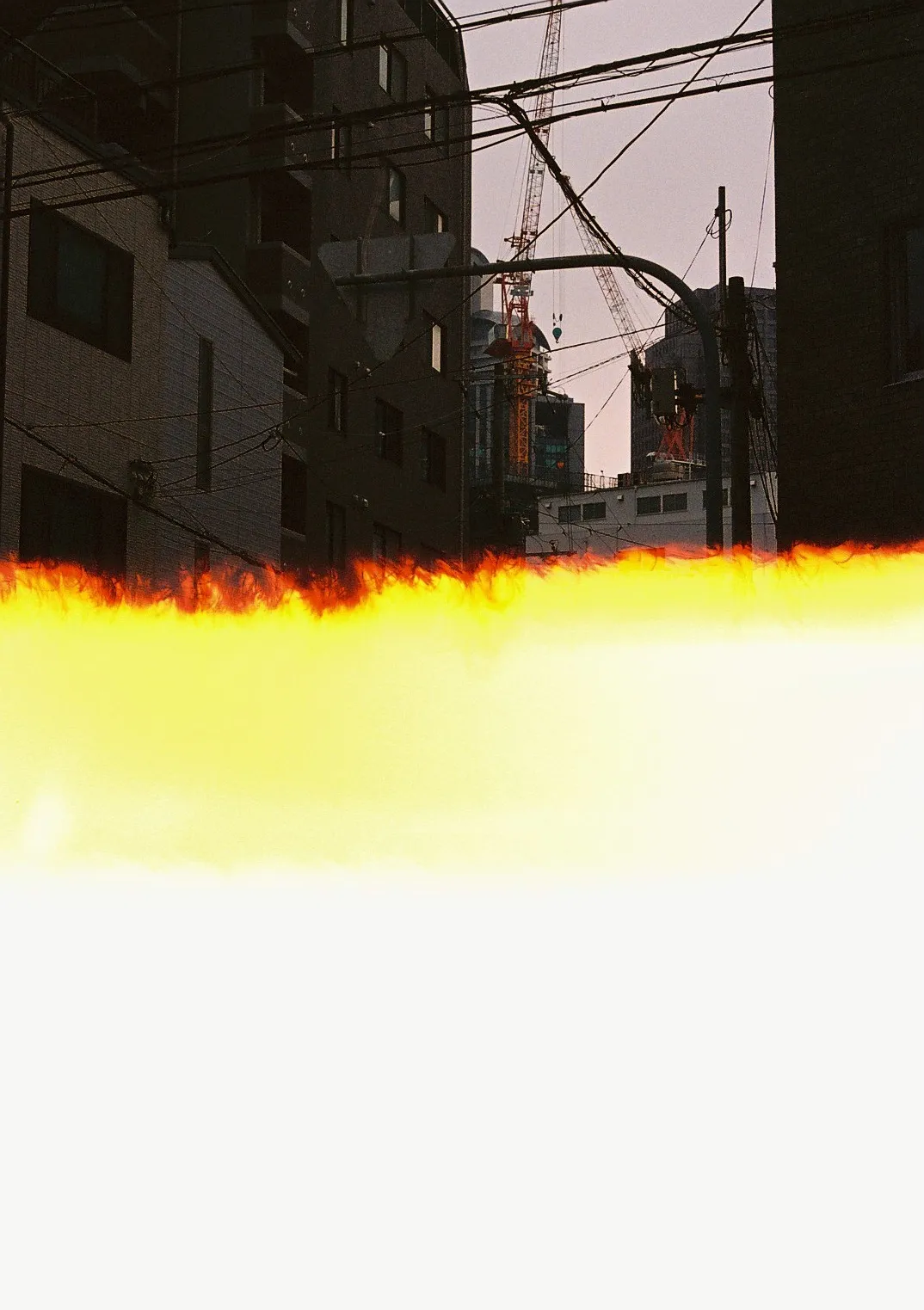
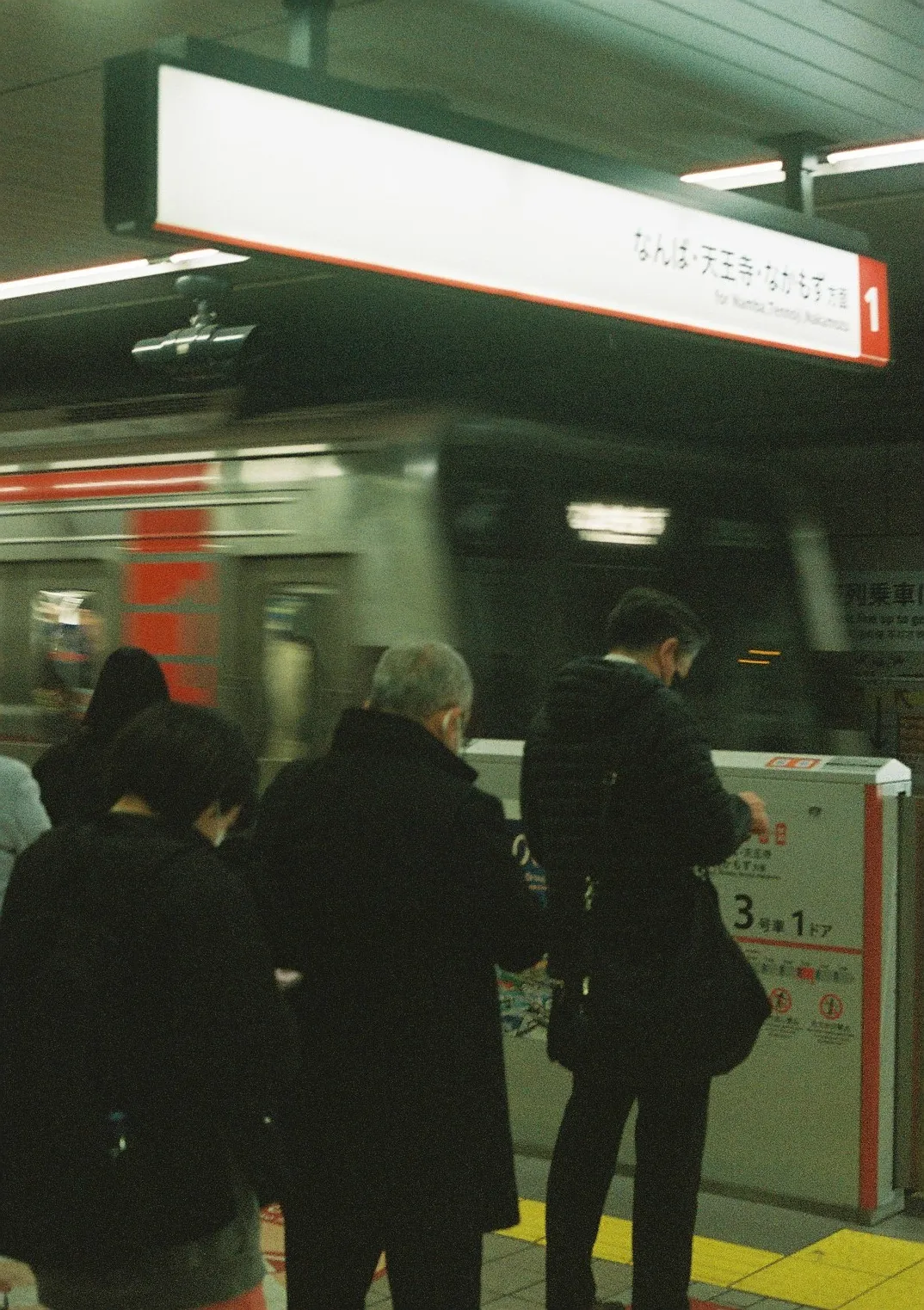
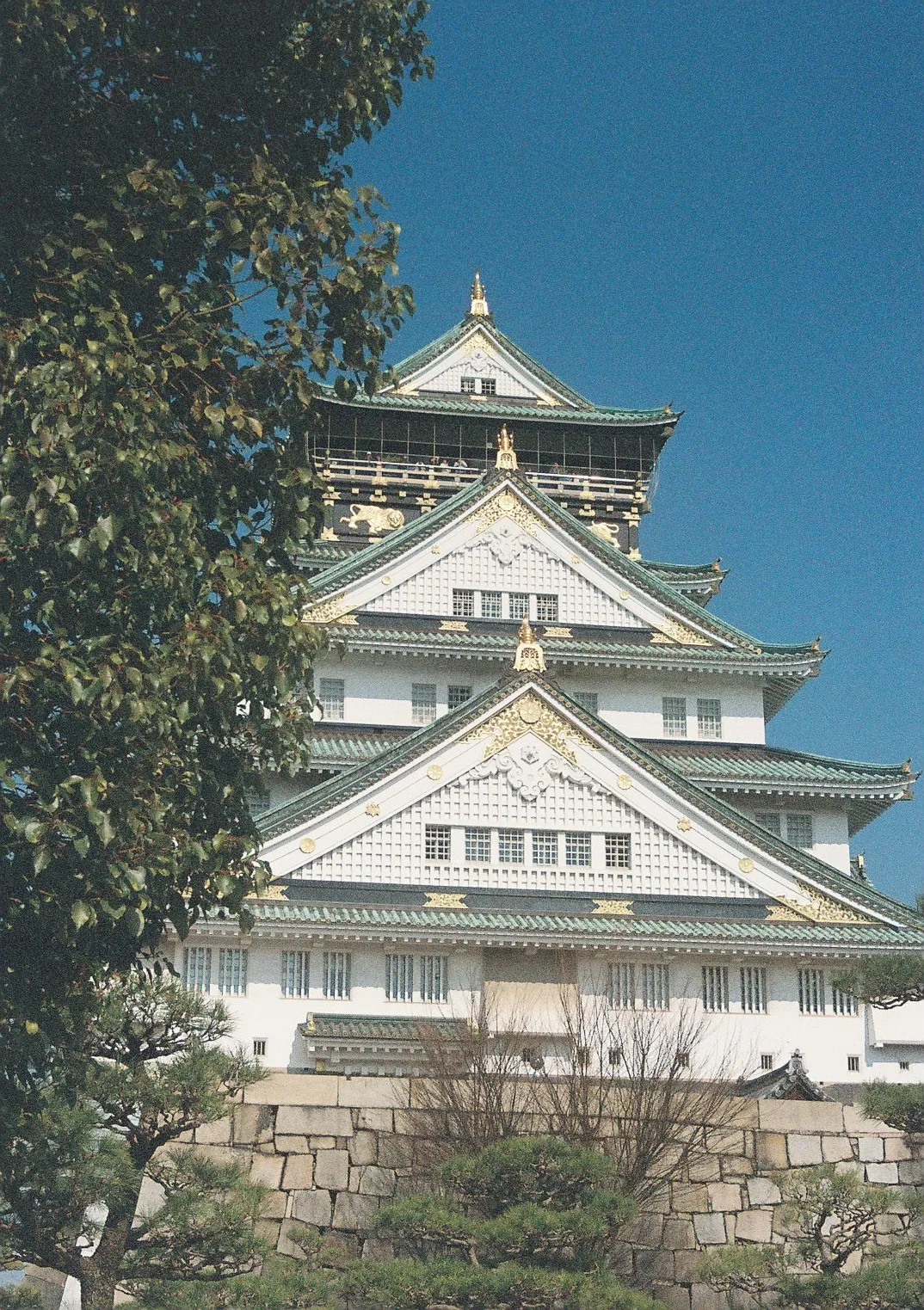
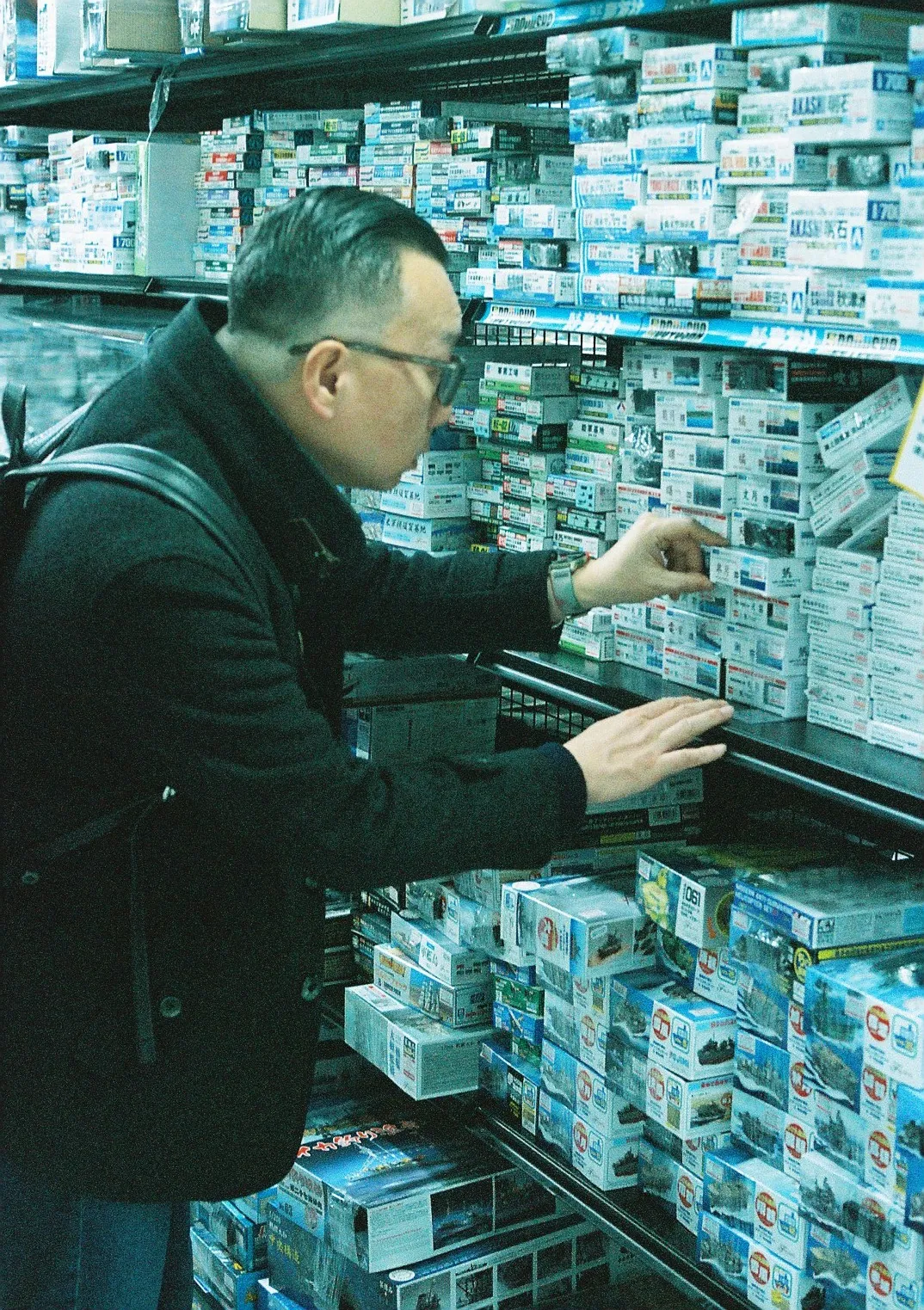
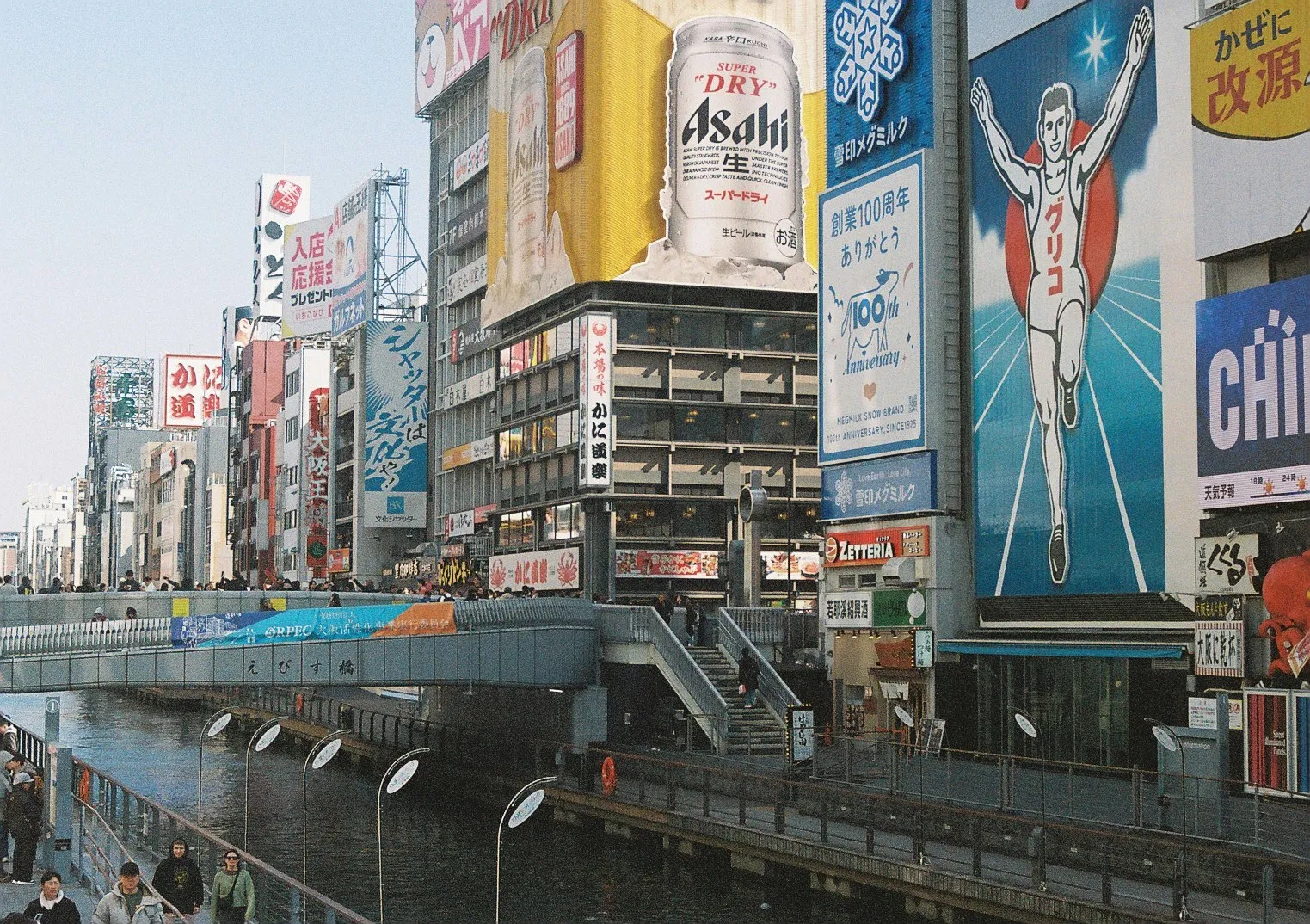
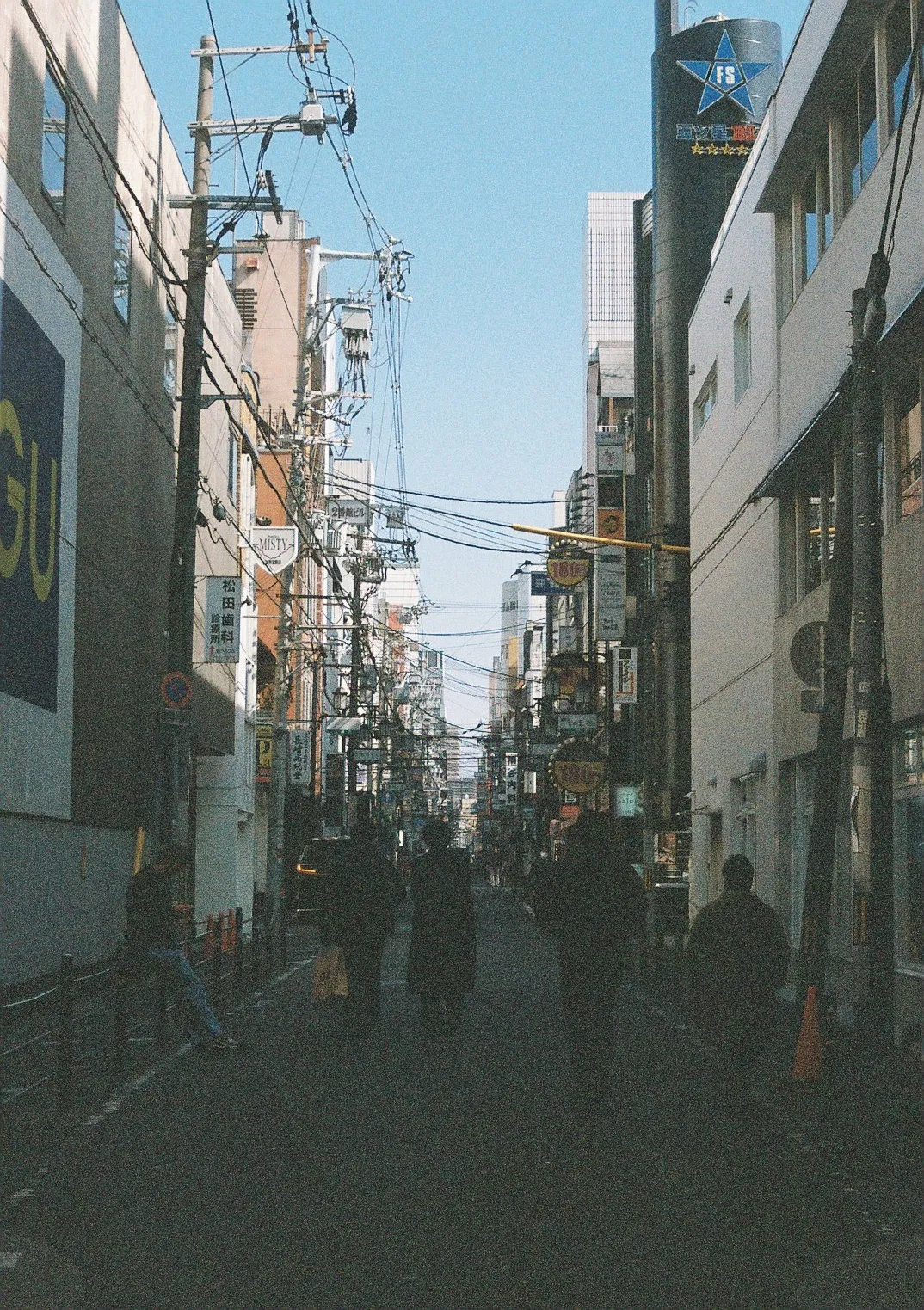
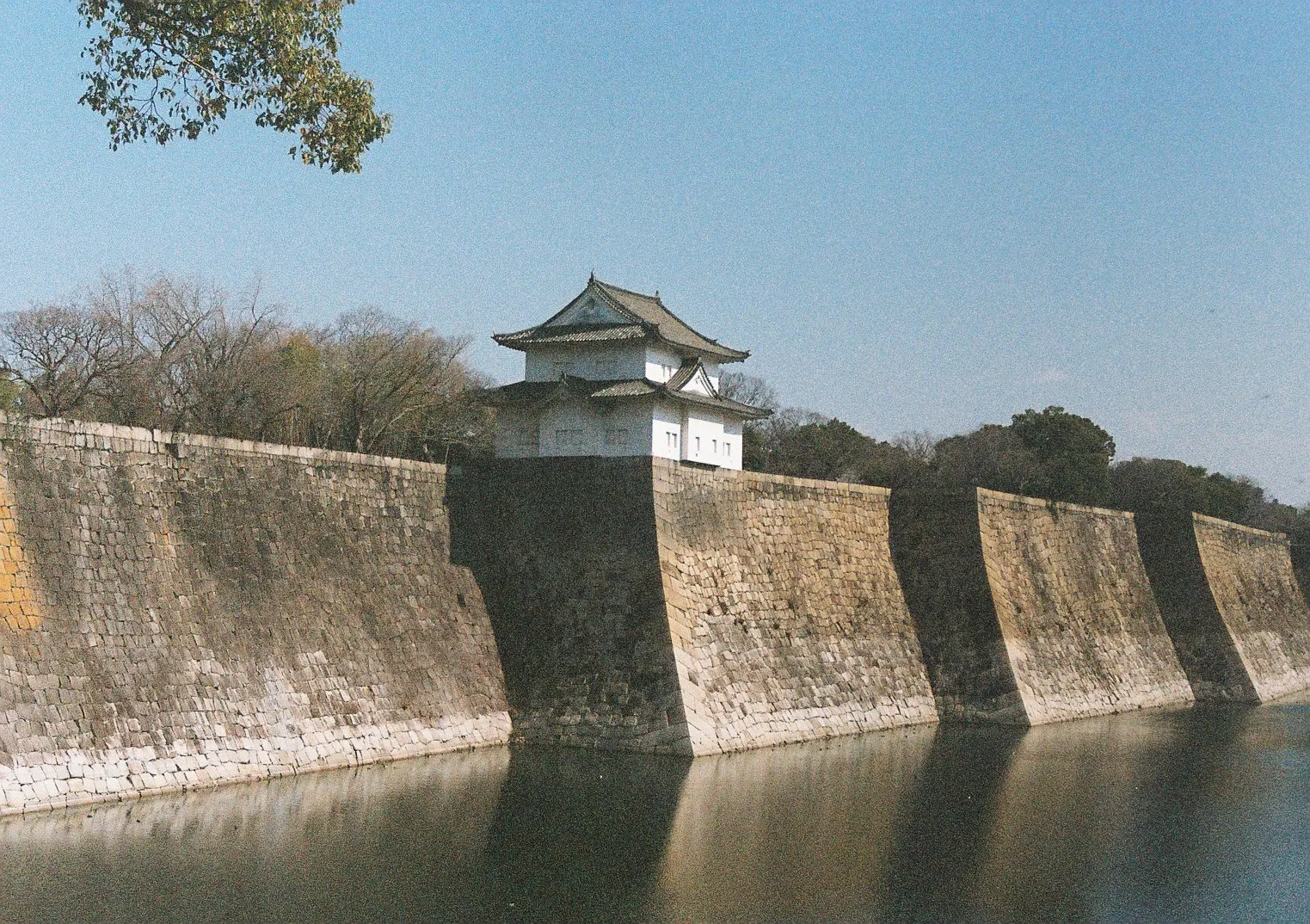
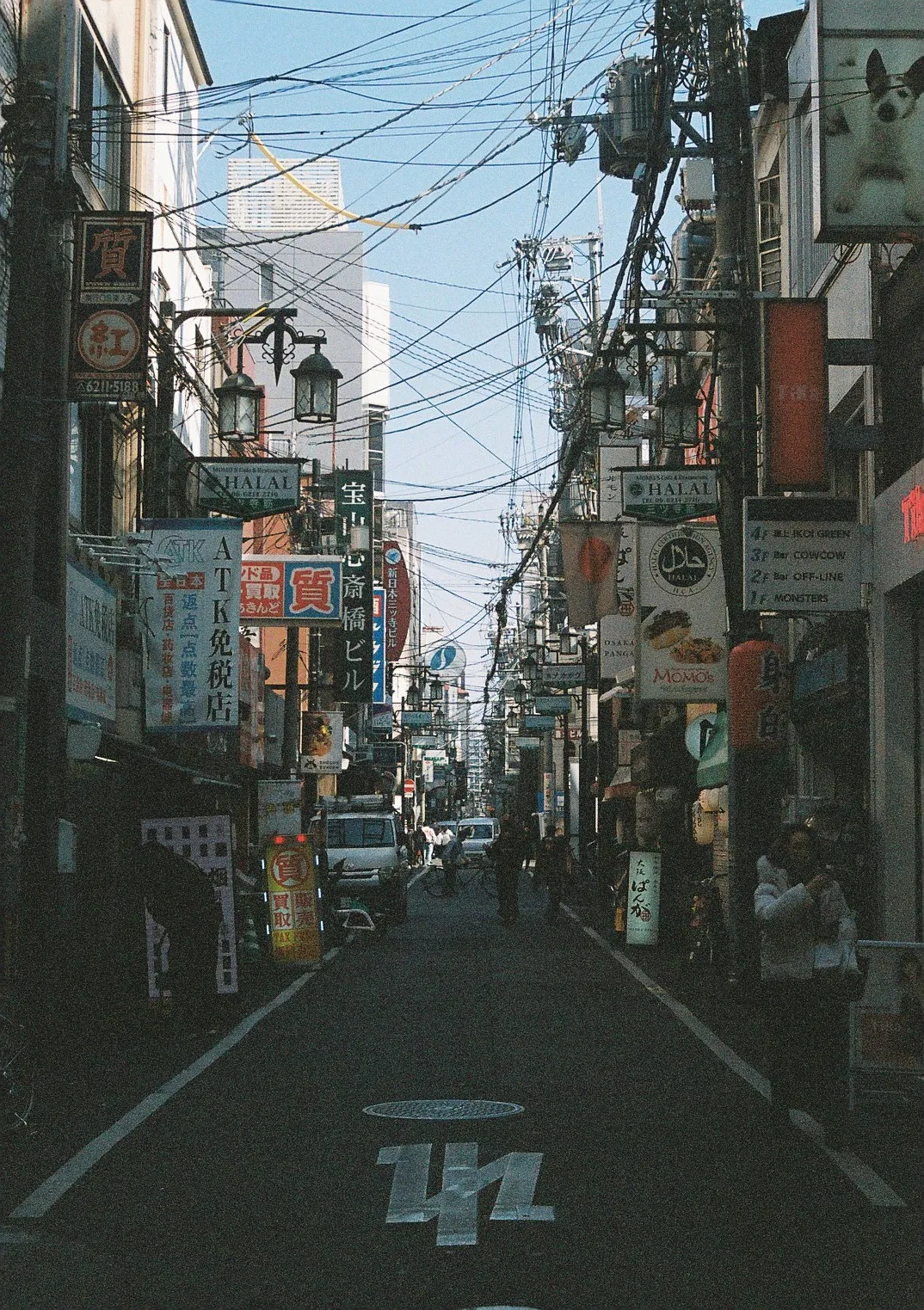
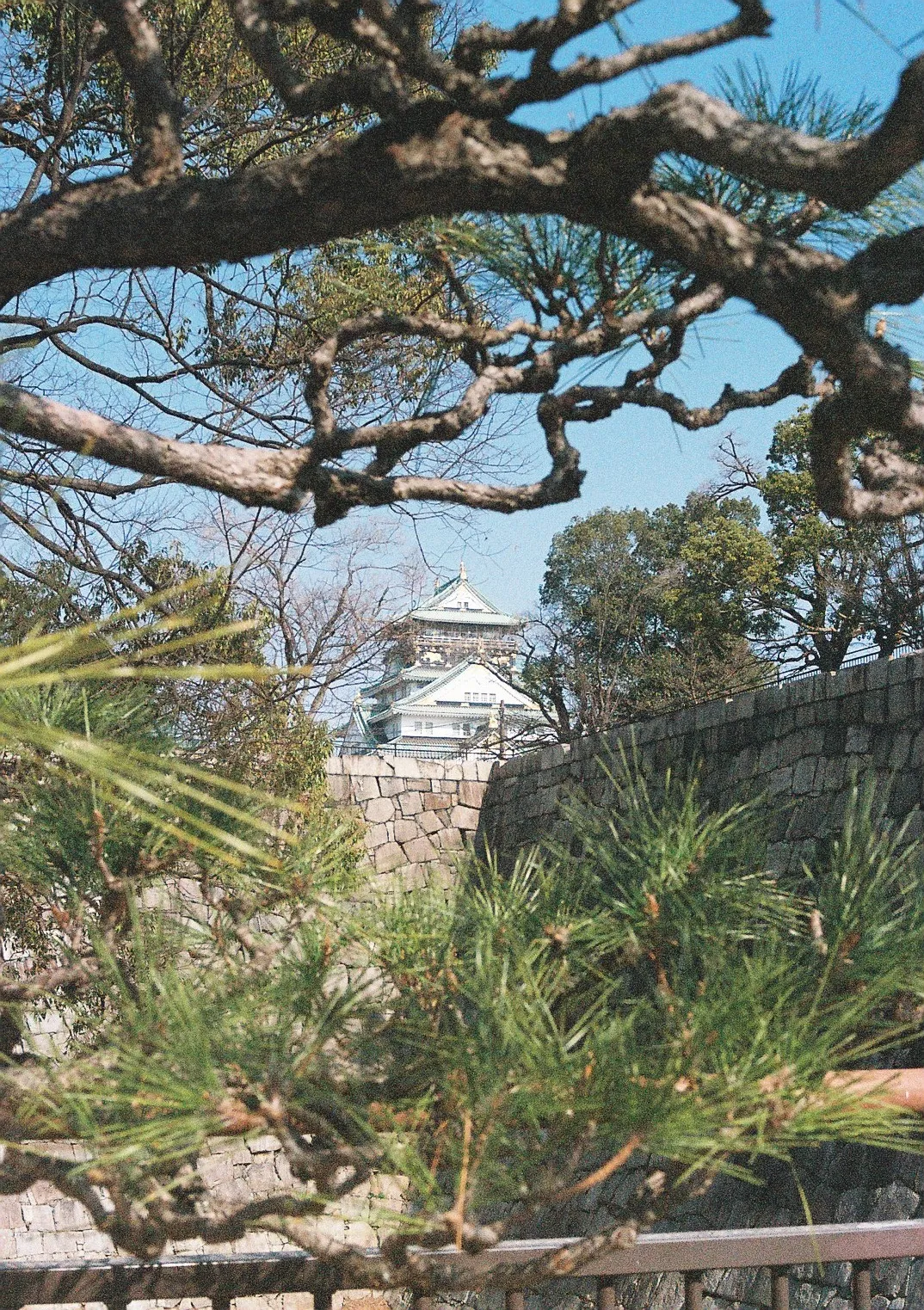
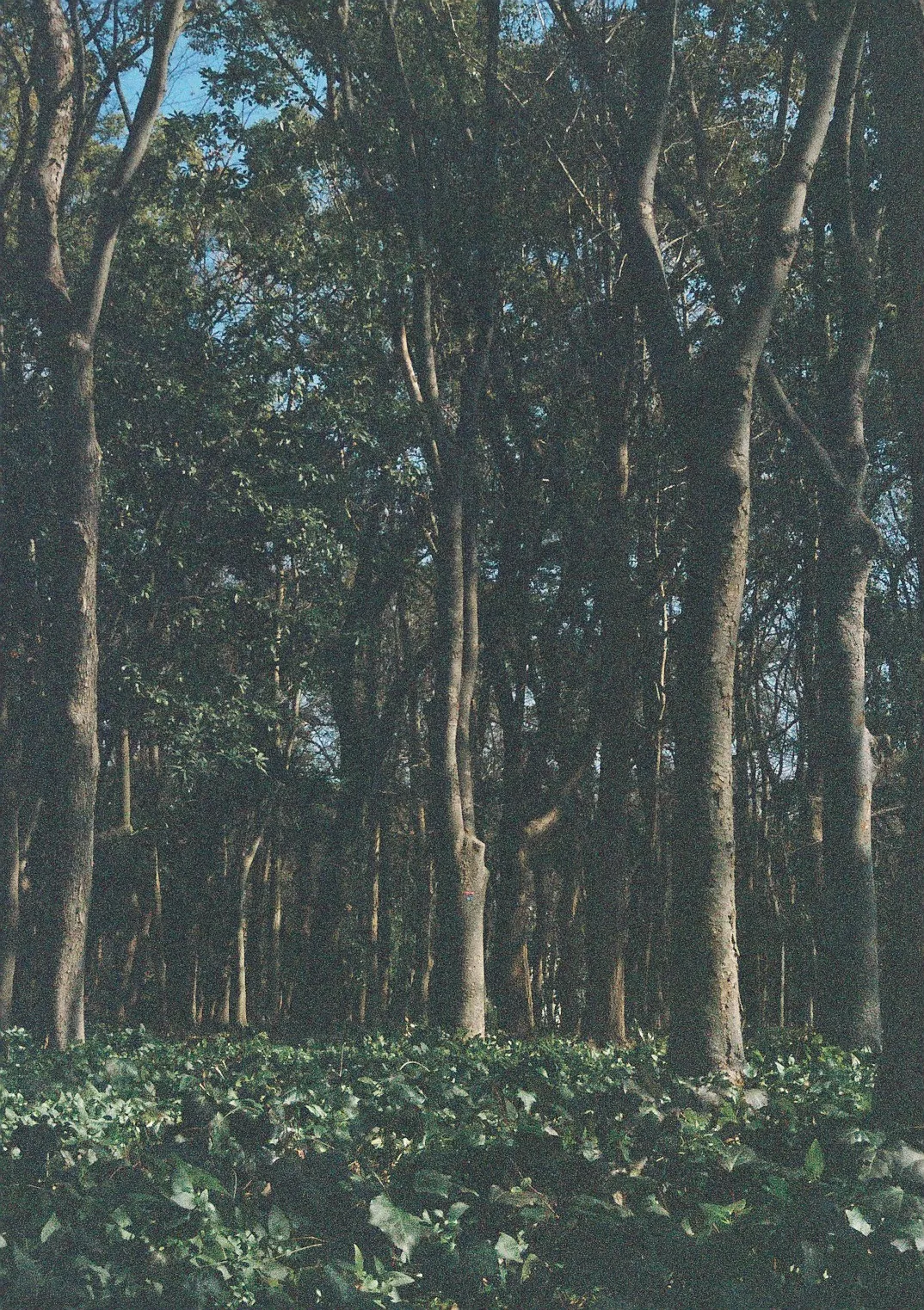
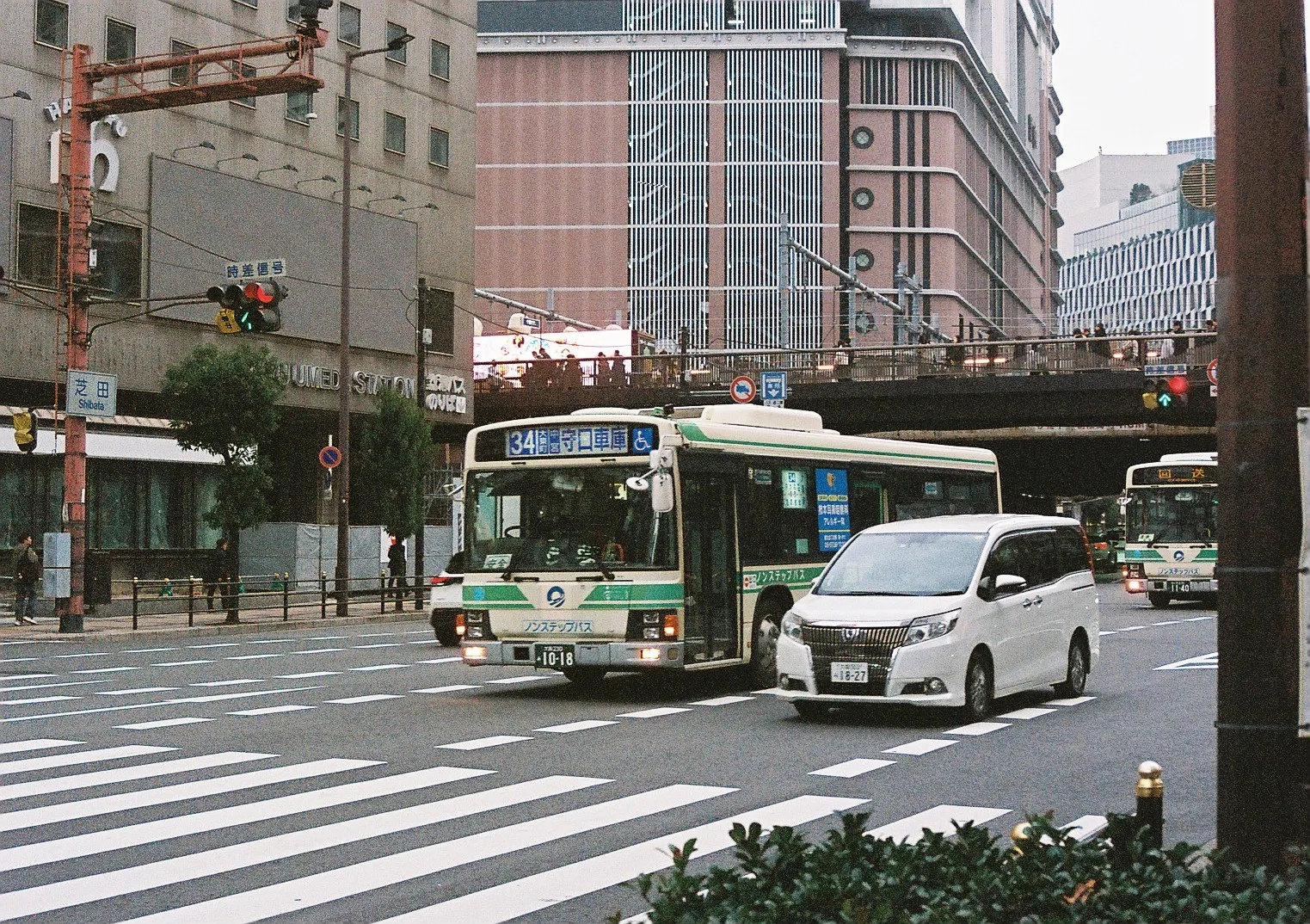
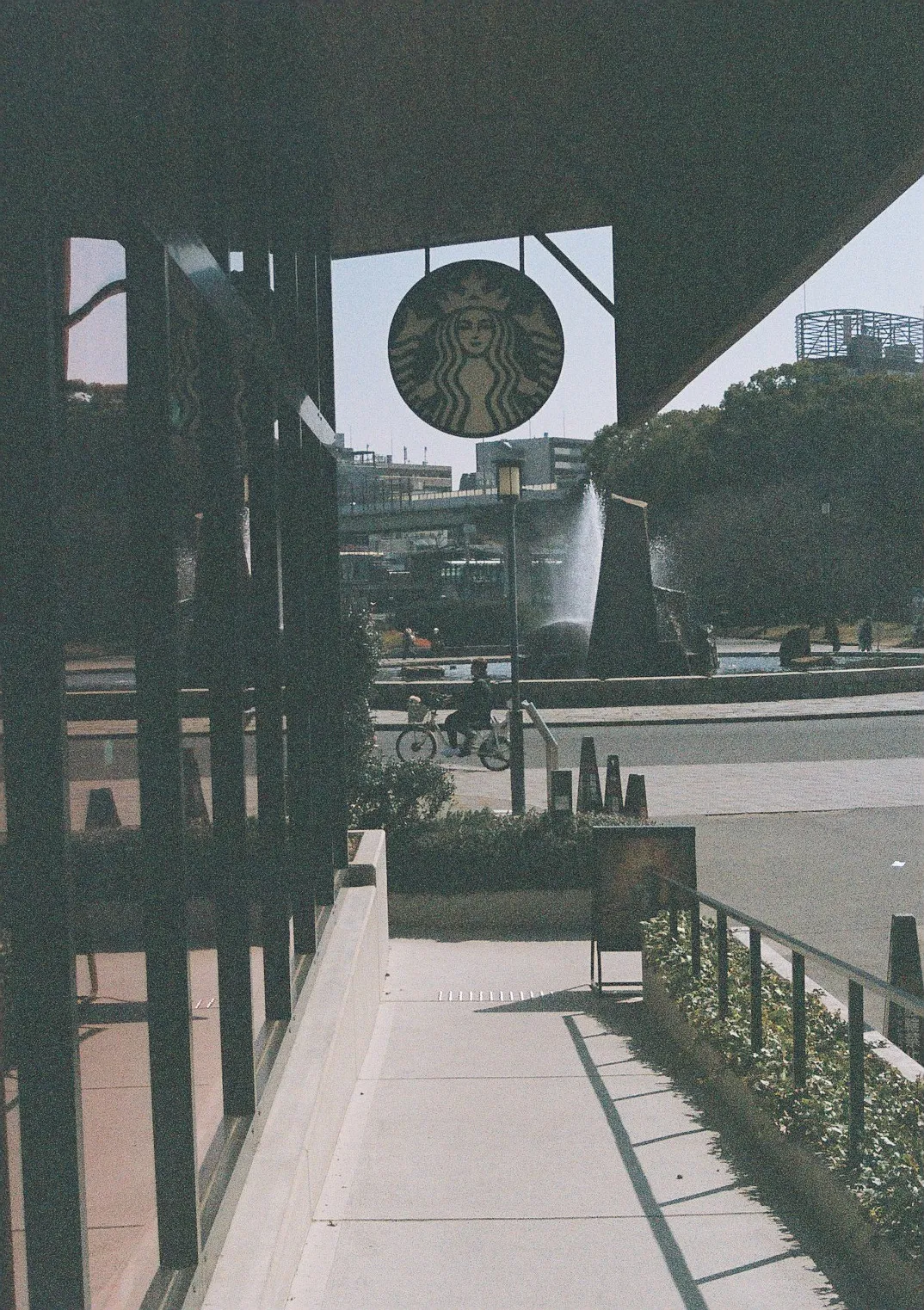
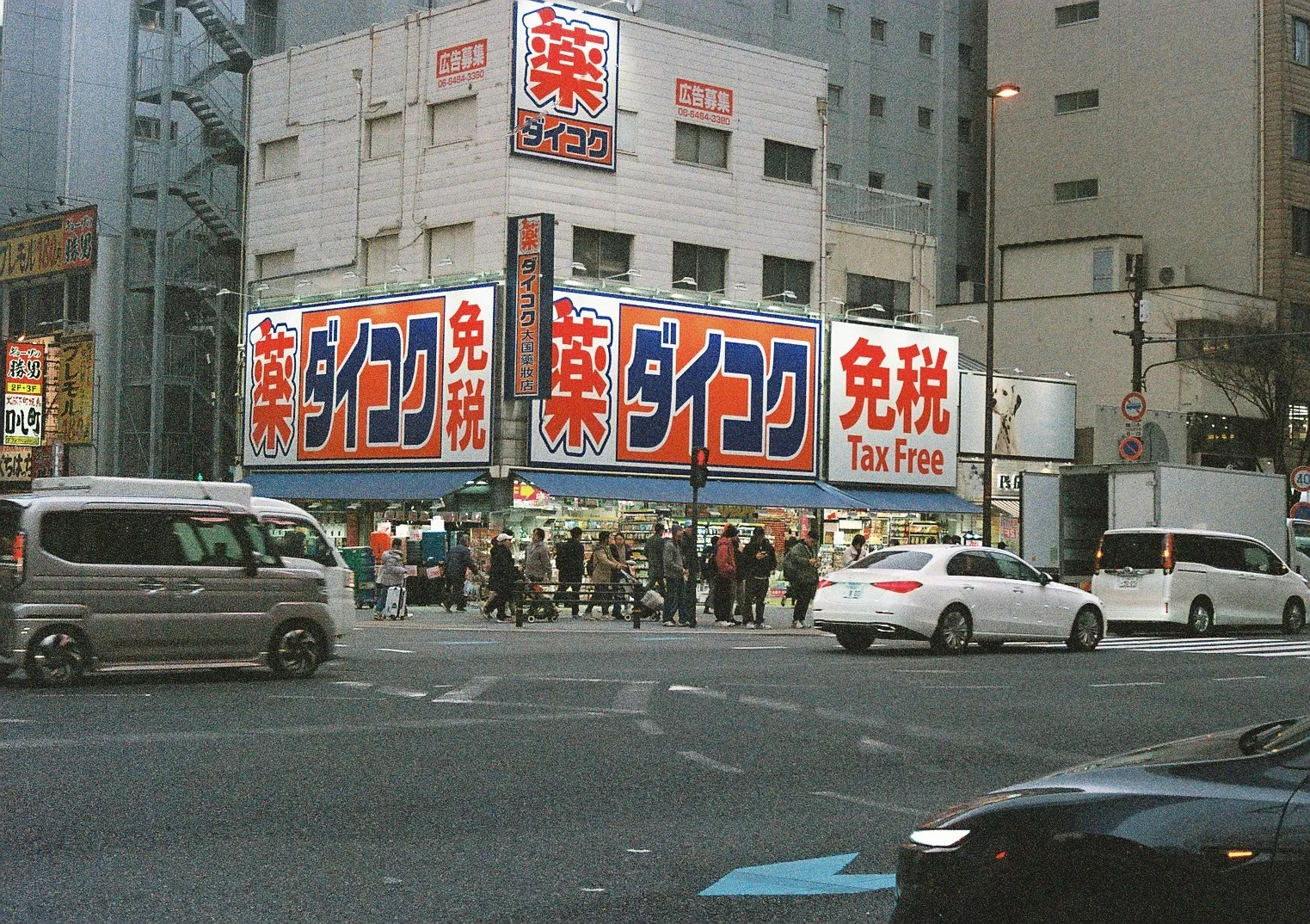
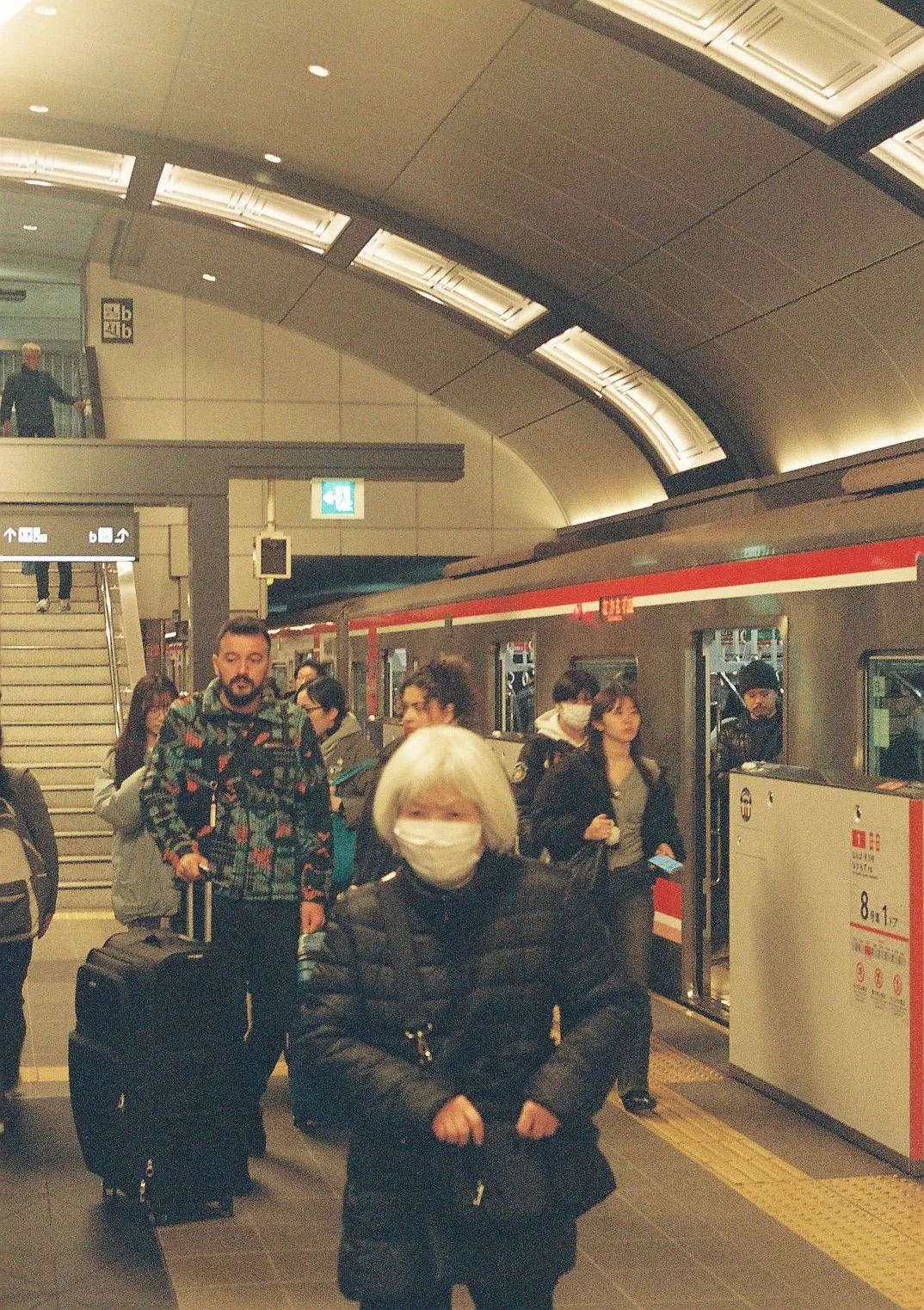
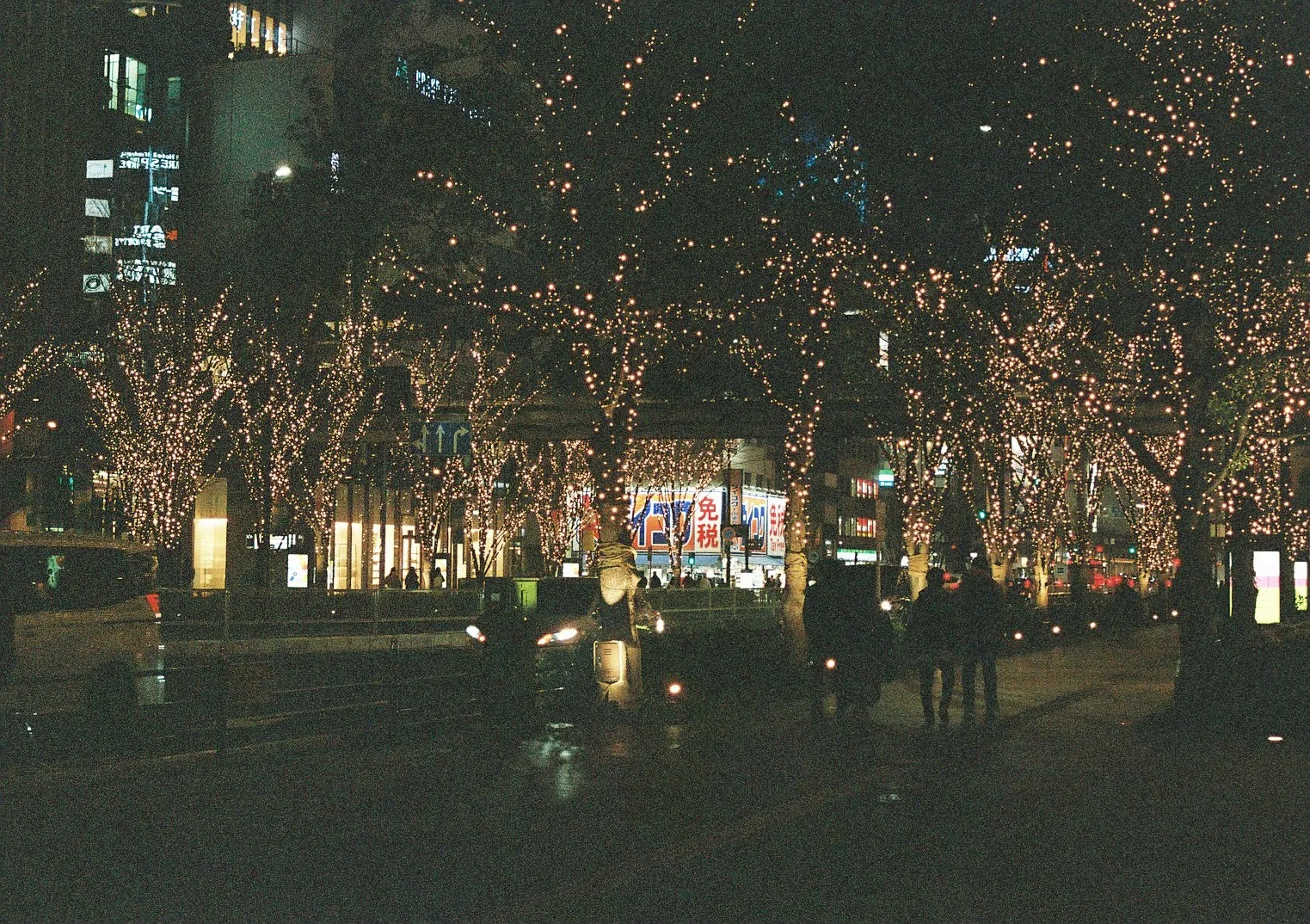
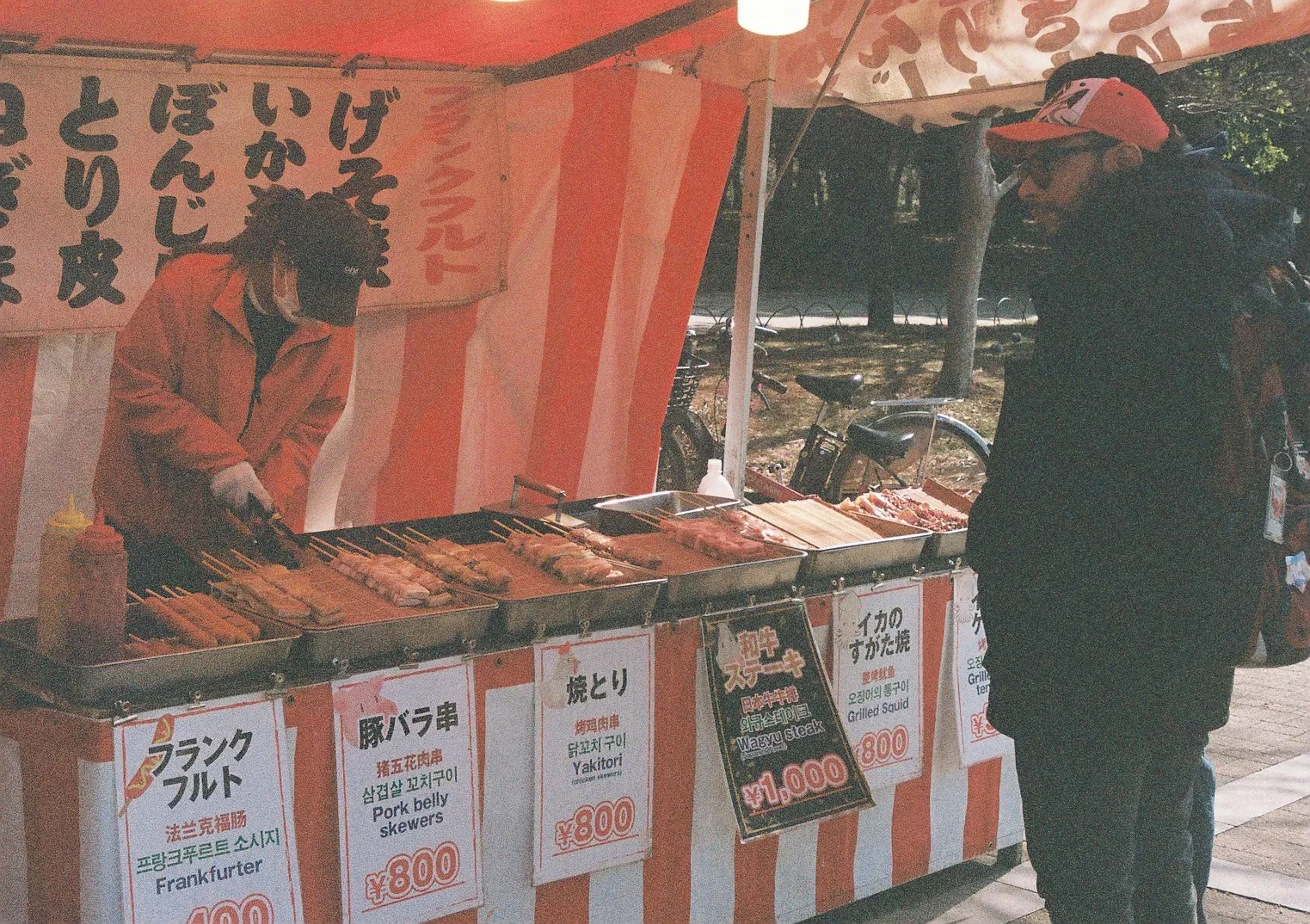
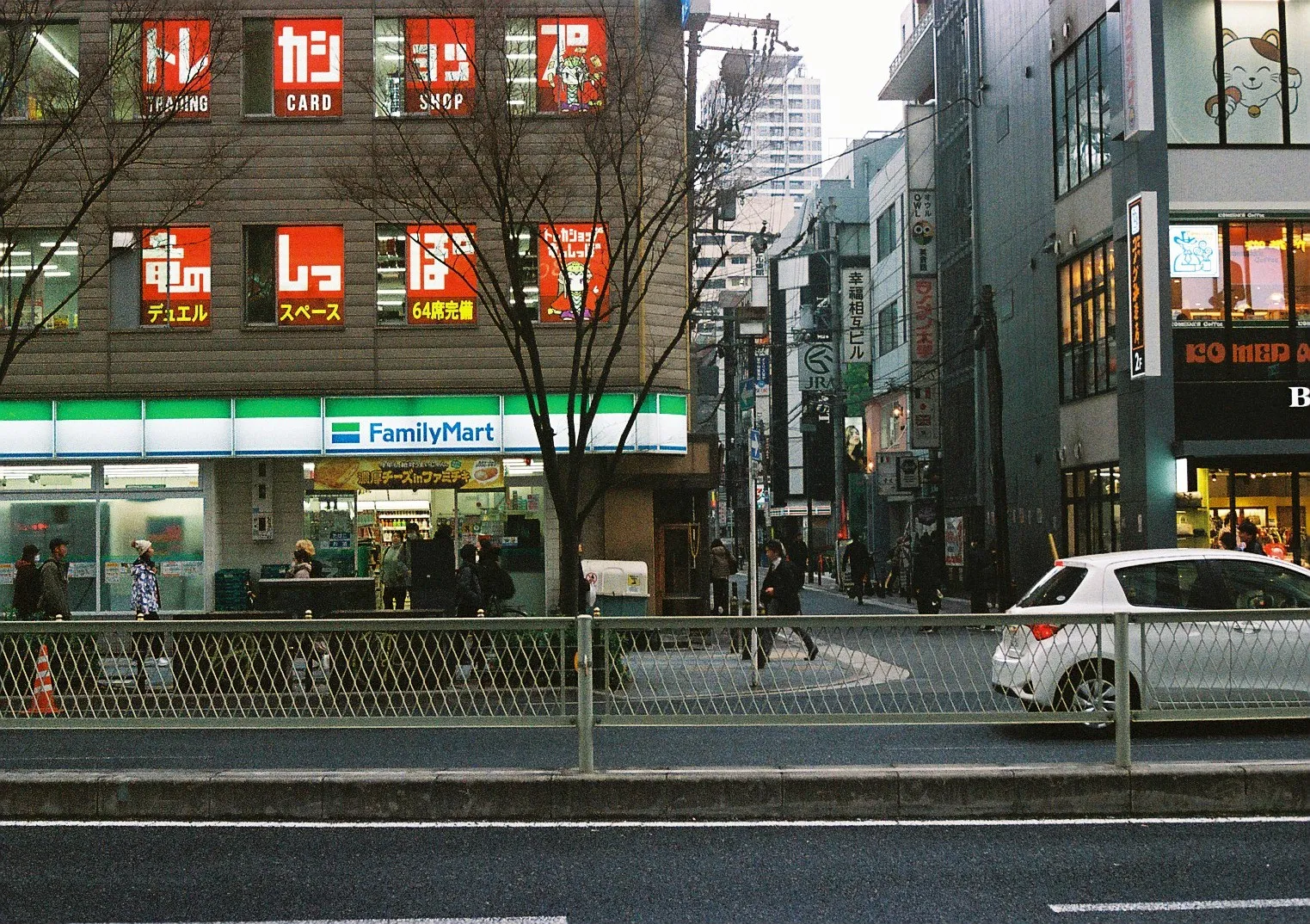
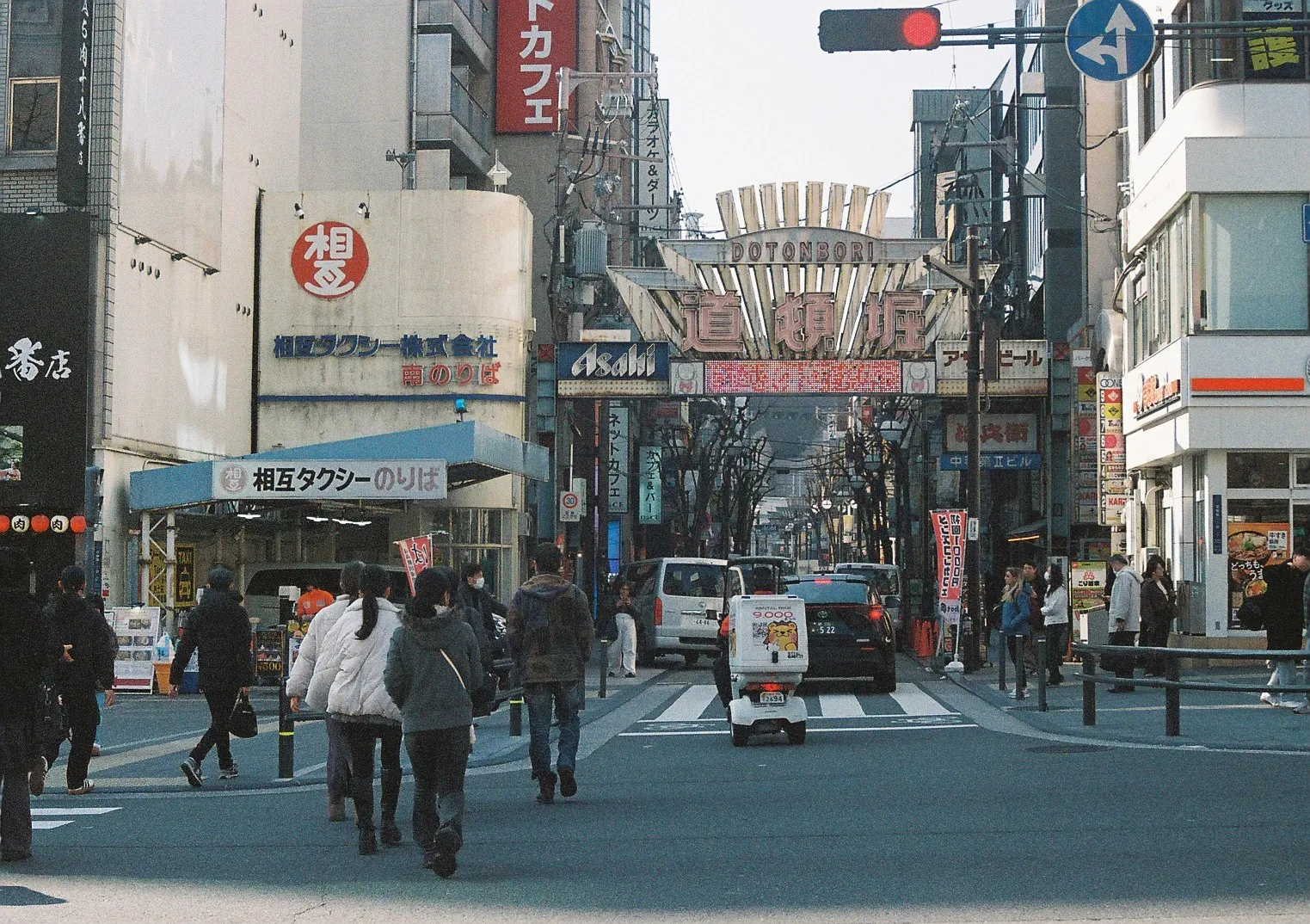
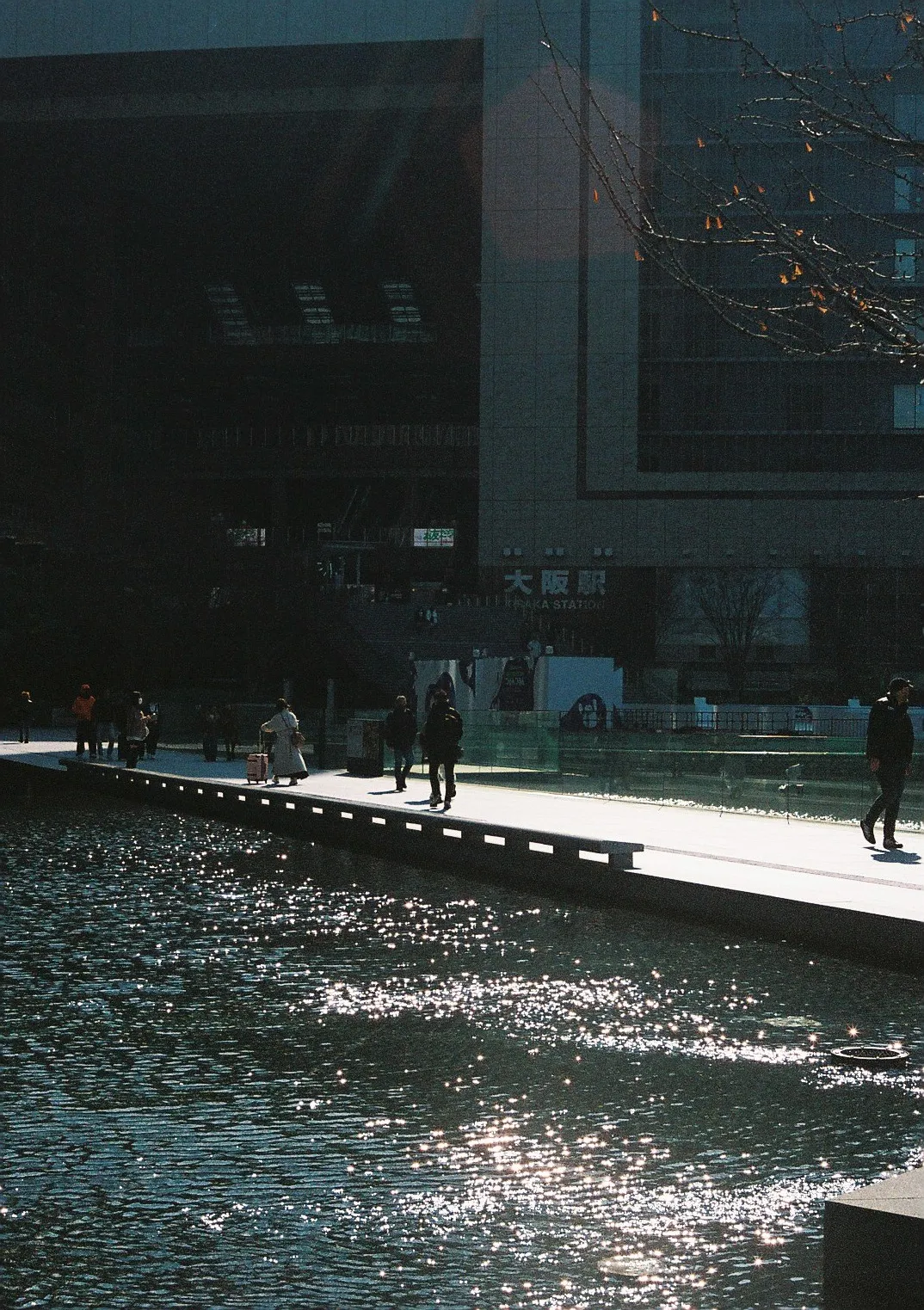
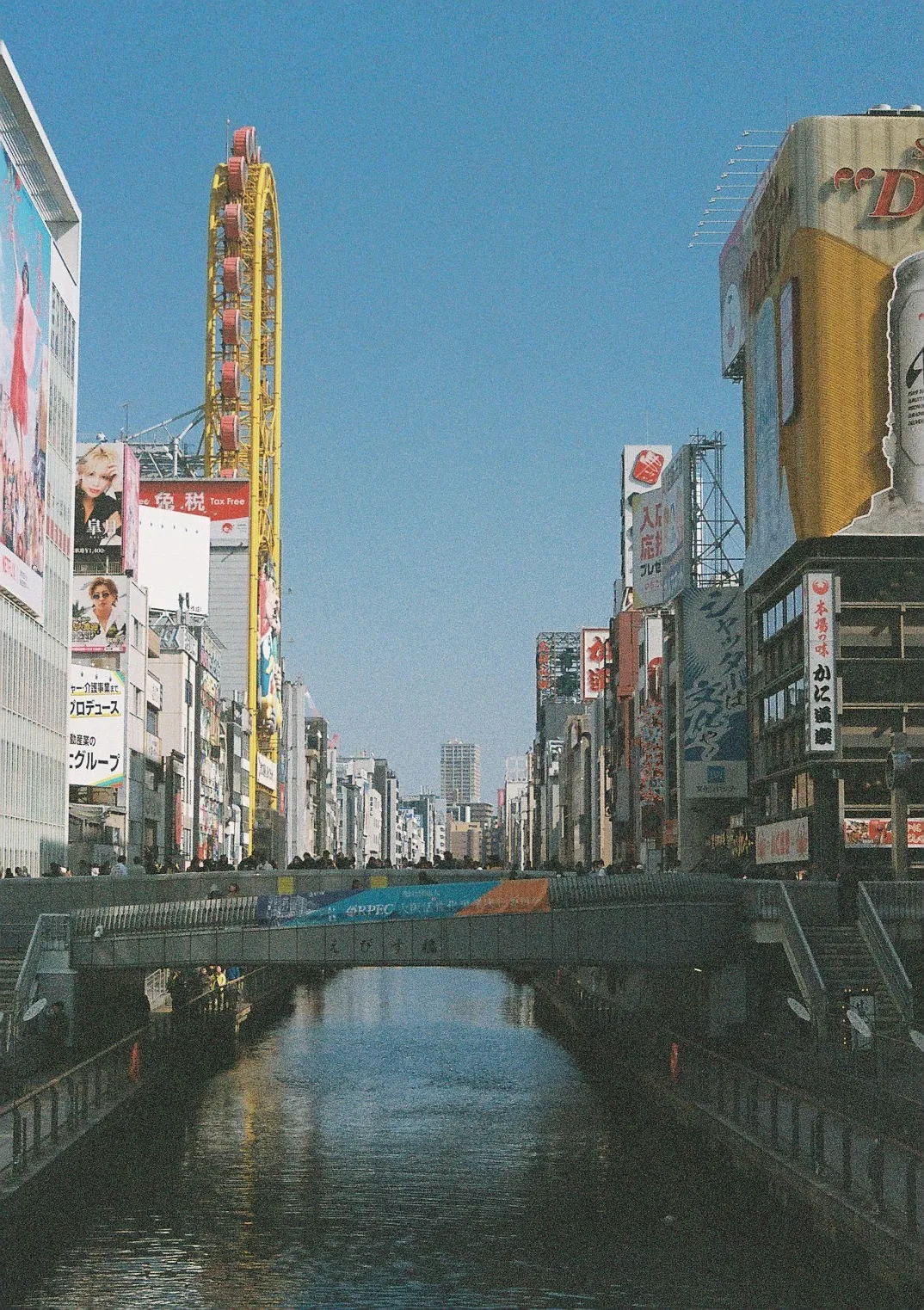
Shot this on my Canon AE-1 Program at box speed using the built-in meter, and honestly most of the roll came back thinner than I wanted. The meter is center-weighted so it gets fooled by bright sky and signage in street scenes, and the shadows end up a stop under. On Portra 800 that doesn't look like underexposure, it just looks flat and muddy. Next time I'm setting the dial to 400 and leaving it there, the highlight latitude eats the extra stop no problem. When I did meter it right some frames came out really nice, like /photos/699549e8-b455-44d2-9195-06e30f77e3b1 and /photos/583c36ba-9c5a-4883-8645-850947345f59, but it's not consistent. This one /photos/43a695b7-dc73-4614-9417-68c821003438 is just flatter and I can't really tell you why, probably the low contrast curve plus the scan. Also flat isn't the same as underexposed. This one /photos/20f9fa7a-1ac0-48bf-965a-1c3f7f424160 is dark but all the shadow detail is still there and it grades fine. The latitude only really runs one way. Overexpose and it holds, underexpose and you're just lifting grain. Anyway there really isn't much 800 speed color film left out there anymore, so I'm not writing this one off. Definitely giving it another go and hoping I come back with better frames next time.